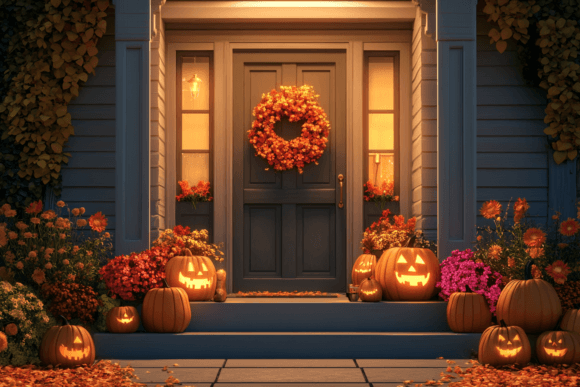
3D Rendering for Halloween Decor: Enhancing Creativity with Digital Art
Halloween is a time of year when imagination takes center stage, and one of the most exciting ways to bring that creativity to life is through Halloween-themed 3D rendering. This digital technique allows designers and artists to create vivid, lifelike illustrations that can be used across a wide range of media. Whether you're looking to design flyers, posters, or home decorations, understanding how 3D rendering works can help you produce more engaging and professional results.
What is 3D Rendering?
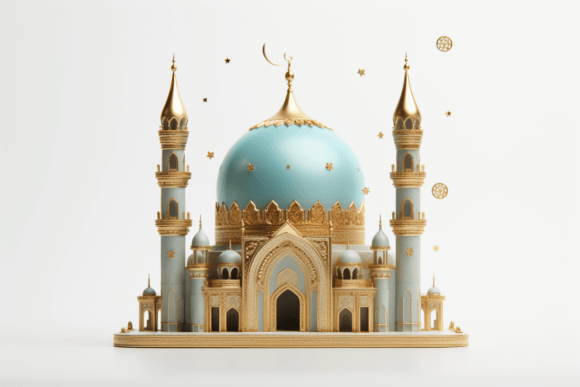
At its core, 3D rendering is the process of generating a two-dimensional image from a three-dimensional model using specialized software. These models are created using points, lines, and surfaces in a virtual space, and once they are built, the software adds lighting, textures, and colors to simulate realism. The final output can be in various formats such as JPG, PNG, or even animated sequences.
This technique has become an essential part of modern graphic design. It’s not just limited to movies or video games anymore. Today, businesses, educators, and hobbyists use 3D rendering to visualize ideas before bringing them into the real world. For Halloween, it opens up a universe of possibilities—from spooky haunted houses to cute pumpkin patches—everything can be imagined and rendered digitally.
The Purpose of 3D Rendering in Design
- Visualization: Before anything is printed or produced, 3D rendering gives a clear idea of what the final product will look like.
- Customization: You can tweak elements easily without redoing entire designs, making it ideal for seasonal themes like Halloween.
- Realism: High-resolution outputs like a 3000×2000 pixel JPG at 300 DPI and RGB color make the images appear almost photographic.
- Cost-Effectiveness: Saves time and money by reducing the need for physical prototypes or samples.
Why Use 3D Rendered Halloween Designs?
Halloween is all about atmosphere and visual impact. Using 3D rendered illustrations ensures your designs stand out whether you're promoting an event, decorating your home, or creating personal stationery. Unlike flat images, 3D renderings give depth and dimension, helping to convey emotion and story more effectively.
Enhancing Branding and Marketing
Businesses often use Halloween as a way to engage customers with themed promotions. A well-rendered 3D illustration can serve as a powerful marketing tool. For example, a café might use a 3D rendered haunted house on their social media posts to promote a special Halloween menu. Or a costume shop could showcase their products through high-quality renders to entice online shoppers.
These images are particularly useful because they can be reused and repurposed across different platforms. A single high-resolution 3D render of a witch's cauldron can be adapted for flyers, wall posters, and even wrapping paper, ensuring brand consistency while saving resources.
Personal Projects and Creative Expression
For individuals, 3D rendering is a fantastic way to explore creativity. Whether you’re designing Halloween cards, notebook covers, or scrapbooking pages, 3D illustrations can add a magical touch. Artists who enjoy working digitally can experiment with lighting effects, shadows, and textures to create something truly unique.
Using 3D rendering also makes it easy to personalize designs. You can adjust colors, add names, or incorporate custom elements like family photos or local landmarks. This flexibility makes it perfect for invitations, calendars, and other personalized items.
How 3D Rendering Fits Into Modern Life
In today’s fast-paced digital world, 3D rendering plays a crucial role in many industries. From architecture to fashion, it helps professionals and enthusiasts alike visualize their ideas. When applied to Halloween, this technology transforms ordinary decorations into extraordinary experiences.
Applications in Business and Education
Businesses can benefit greatly from Halloween-themed 3D renderings. Retailers use them for packaging and banners, while schools may incorporate them into classroom materials or promotional calendars. The ability to generate high-quality visuals quickly means that companies can launch creative campaigns in time for the season.
In education, teachers might use 3D rendered scenes to create interactive learning tools. A history class could explore ancient civilizations through Halloween-inspired interpretations, or a science class could use Halloween-themed 3D models to teach about light and shadow.
Technology and Accessibility
Thanks to advancements in software and hardware, 3D rendering is now more accessible than ever. Tools like Blender, Maya, and SketchUp allow both beginners and experts to create stunning visuals. Even if you don’t have advanced skills, there are plenty of templates and tutorials available online to guide you through the process.
Moreover, the availability of high-resolution files, such as a 3000×2000 pixel JPG at 300 DPI with RGB color, ensures that these designs can be printed professionally or displayed digitally without losing quality. This level of detail is especially important for projects like wallpapers, prints, or backgrounds where clarity is key.
Examples of 3D Rendered Halloween Designs
To better understand how 3D rendering can enhance Halloween-related content, let’s look at some practical examples:
- Flyers and Posters: A 3D render of a ghostly forest or a haunted mansion can instantly grab attention and set the tone for an event.
- Invitations: Imagine sending out a Halloween party invite featuring a 3D-rendered cauldron bubbling with potions or a grinning jack-o-lantern.
- Notebook Covers: Students love themed school supplies. A 3D illustrated pumpkin patch or a spooky castle can make a notebook both functional and festive.
- Craft Projects: Use 3D renderings as templates for DIY Halloween crafts, like stencils for walls or patterns for scrapbooking.
- Social Media Stories: Platforms like Instagram and Facebook support animated 3D designs, which can make your stories more engaging and shareable.
These examples show just how versatile 3D rendering can be. It's not only about aesthetics but also about functionality and engagement.
Common Misunderstandings About 3D Rendering
Despite its popularity, many people still misunderstand what 3D rendering entails. One common misconception is that it requires expensive software or technical expertise. In reality, there are many free or affordable programs and online tools that make the process approachable for anyone interested in design.
Another assumption is that 3D rendering is only for large-scale commercial use. Nothing could be further from the truth. With the right tools and a bit of creativity, individuals can use 3D renderings for everything from simple greeting cards to elaborate home décor.
Getting Started with Halloween 3D Rendering
If you're new to 3D rendering, starting with Halloween-themed projects can be a fun and motivating way to learn. Here are a few tips to help you begin:
- Choose the Right Software: Start with user-friendly programs like Blender or Canva, which offer both 3D modeling and rendering features.
- Study Existing Models: Look for free Halloween 3D models online to see how they're structured and learn from them.
- Experiment with Lighting and Textures: These elements can dramatically change the mood of your design, from eerie to whimsical.
- Export for Different Uses: Once you’ve rendered your design, export it in multiple formats (like JPG) so it can be used for print and digital purposes.
Remember, practice is essential. Each project you complete will improve your understanding and refine your skills. And with the availability of high-resolution outputs, your Halloween creations can look professional no matter where they’re displayed.
The Future of Halloween Design with 3D Rendering
As technology continues to evolve, so too does the potential for Halloween design. With the rise of augmented reality (AR) and virtual reality (VR), we can expect to see more immersive Halloween experiences powered by 3D renderings. Picture walking through a digitally rendered haunted house on your phone or exploring a 3D pumpkin patch on a smart display.
Additionally, AI-driven rendering tools are becoming more sophisticated, allowing for faster and more accurate results. These innovations mean that even those without formal training can create impressive Halloween graphics with minimal effort.
Conclusion
3D rendering is more than just a design trend—it’s a powerful tool that brings Halloween creativity to life. Whether you're a business owner, educator, artist, or simply someone who loves the holiday, incorporating 3D renderings into your projects can elevate their visual appeal and effectiveness. With high-resolution options like a 3000×2000 pixel JPG at 300 DPI and RGB color, you can ensure your Halloween designs look their best in any format.
So next time you're brainstorming Halloween ideas, consider how 3D rendering can help you achieve your vision. The possibilities are endless, and the results can be truly magical.