3D Poly Backgrounds: Elevate Your Digital Projects with Modern Geometric Designs
In the ever-evolving world of digital design, staying ahead often means embracing new visual trends and tools. One such trend gaining popularity is the use of 3D poly backgrounds. These abstract, geometric textures offer a fresh way to add depth, dimension, and style to your creative work. Whether you're a graphic designer, content creator, or business owner looking to enhance your online presence, understanding how 3D poly backgrounds can be used effectively is essential.
What Are 3D Poly Backgrounds?
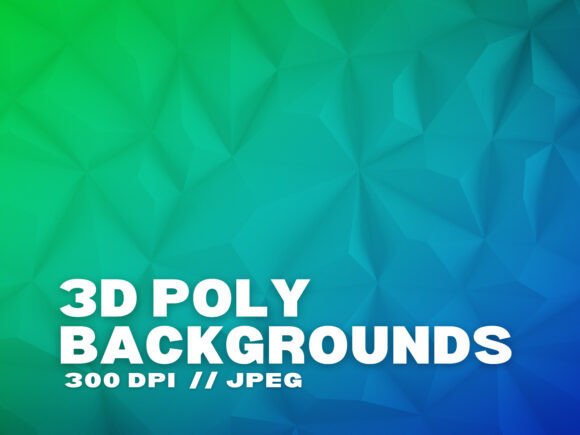
3D poly backgrounds are digital designs made up of interconnected polygons that create a three-dimensional effect. They combine the sharpness of geometry with the fluidity of abstract art, resulting in visually striking backdrops that are both modern and versatile. Unlike traditional flat backgrounds, 3D poly versions introduce a sense of movement and complexity, making them ideal for contemporary aesthetics.
The term “low-poly” often comes up when discussing these types of designs. It refers to the use of fewer polygonal shapes to form an image, giving it a stylized look that's popular in gaming, web design, and digital art. The 3D poly backgrounds we’re exploring here take this concept further by offering high-resolution files optimized for various applications.
Key Features of 3D Poly Backgrounds
- High Quality: Each background is crafted at 300 DPI resolution, ensuring clarity whether displayed on screen or printed.
- Large Size: With dimensions of 4000x4000 pixels, these files provide ample space for customization and scaling without losing quality.
- Abstract & Futuristic Style: The collection features 12 unique textures, each designed to evoke a sense of innovation and modernity.
- Commercial Use Allowed: Perfect for professionals, these backgrounds are free for both personal and commercial projects, eliminating licensing concerns.
- JPG Format: Compatible with most design software, including Photoshop, Illustrator, Canva, and more, making them easy to integrate into any workflow.
Why Use 3D Poly Backgrounds in Your Work?
Designers and creators often seek ways to differentiate their projects while maintaining professionalism. 3D poly backgrounds offer a compelling solution by providing a clean yet dynamic backdrop. Their geometric nature allows them to complement a wide range of content styles—from minimalist branding to bold digital art pieces.
One of the biggest advantages of using these backgrounds is their adaptability. They can serve as subtle base layers or be enhanced with overlays, text, and other design elements to make a strong visual impact. Because they come in a variety of abstract patterns, you can choose one that aligns with your project’s tone and message.
Strengths of 3D Poly Backgrounds
- Versatility: Suitable for both digital and print media, these backgrounds can be used across multiple platforms and industries.
- Modern Appeal: The low-poly aesthetic resonates well with current design trends, especially in tech, fashion, and lifestyle sectors.
- Time-Saving: High-quality pre-made backgrounds eliminate the need for custom creation, allowing you to focus on other aspects of your design.
- Cost-Effective: Free for commercial use makes them accessible to freelancers, small businesses, and large enterprises alike.
Considerations When Using 3D Poly Backgrounds
While 3D poly backgrounds are incredibly useful, there are some factors to keep in mind before incorporating them into your work:
- Color Coordination: Some textures may have vibrant or complex color palettes that could clash with your main content. Always consider contrast and readability.
- Layering Techniques: To maintain visual balance, avoid overcrowding the design. Use overlays, gradients, or transparency to blend the background with your content seamlessly.
- Project Context: While suitable for many uses, they may not fit every theme or industry. For example, a vintage-inspired website might benefit more from hand-drawn or classic textures than a futuristic 3D poly pattern.
Real-World Applications of 3D Poly Backgrounds
Let’s explore some practical examples where 3D poly backgrounds can truly shine:
Branding and Presentations
When creating a presentation for a client or launching a new brand identity, the right background can set the tone. A 3D poly texture adds sophistication and visual interest without overwhelming the message. It works especially well for startups or companies in tech, design, and innovation fields.
Website and App Design
Websites and mobile apps often require engaging yet non-distracting visuals. These backgrounds can help achieve that balance. They’re particularly effective in hero sections, landing pages, or app interfaces where a modern, clean look is desired.
Social Media Graphics and Posts
On platforms like Instagram, LinkedIn, or Twitter, standing out is crucial. By using a stunning 3D poly background, you can elevate your social media posts, banners, and thumbnails to catch attention and reflect a professional image.
YouTube Banners and Thumbnails
YouTube is highly visual, and your channel banner or video thumbnail needs to be eye-catching. A 3D poly background can help you create a consistent and modern look that supports your brand and encourages viewer engagement.
Digital Marketing and Advertising
From email headers to ad creatives, 3D poly backgrounds can give your marketing materials a polished, professional finish. Their ability to convey innovation makes them a great choice for promoting technology-based products or services.
Print Designs: Posters, Flyers, and More
If you're designing posters, flyers, or even packaging, these high-res backgrounds ensure your print materials remain sharp and impactful. The geometric patterns also lend themselves well to minimalistic layouts where typography takes center stage.
Business Cards and Stationery
Want to leave a lasting impression? Incorporating a 3D poly texture into your stationery design—like business cards or letterheads—can showcase your creativity and professionalism simultaneously.
How to Choose the Right 3D Poly Background for Your Project
Selecting the perfect 3D poly background involves considering several key aspects:
- Understand Your Audience: If your target demographic prefers sleek, futuristic aesthetics, then these backgrounds are a good match. However, if your audience is more traditional, you may want to test different styles first.
- Define the Purpose: Ask yourself what you want the background to achieve. Is it to draw attention, add depth, or support a specific theme? This will guide your selection.
- Match the Tone: Choose a texture that complements the overall mood of your project. A softer, muted palette might work better for a calming website, while bold colors suit energetic campaigns.
- Test for Readability: Overlay your content onto the background and check how legible everything remains. Adjust brightness, contrast, or add white space as needed.
Evaluating Suitability for Different Needs
Not all projects are created equal, and the same goes for background choices. Here’s how to evaluate whether 3D poly backgrounds are the right fit:
- For Minimalist Designs: These backgrounds should be subtle. Opt for lighter tones or reduce opacity so they don’t compete with your main content.
- For Bold Visuals: If your project leans towards artistic expression or dramatic effects, go for a bolder, more colorful 3D poly pattern to enhance the overall impact.
- For Corporate Use: Ensure the chosen background aligns with your company’s branding guidelines. Sometimes a simple geometric pattern can communicate professionalism and innovation effectively.
- For Print vs. Digital: While the high resolution ensures quality prints, always preview how the background looks on screen. Avoid overly busy patterns for smaller formats like thumbnails or business cards.
Getting Started with 3D Poly Backgrounds
If you're ready to experiment with these stunning resources, follow these steps to start integrating them into your workflow:
- Download the Collection: Access the full set of 12 backgrounds and review the options available.
- Open in Your Preferred Software: Use Adobe Photoshop, Illustrator, or online tools like Canva to import and customize the background.
- Adjust Colors and Layers: Modify the hue, saturation, or layer blending modes to ensure the background supports your content rather than overshadowing it.
- Export and Apply: Once satisfied with the layout, export the final design and apply it to your intended platform or medium.
Final Thoughts on 3D Poly Backgrounds
3D poly backgrounds are more than just decorative elements—they’re powerful tools that can transform your digital projects. Their combination of geometric precision and artistic flair offers endless possibilities for designers, marketers, and creatives. As long as you understand how to use them effectively and consider your project’s goals and context, you can unlock a whole new level of visual appeal.
Whether you're crafting a presentation, designing a website, or enhancing your social media presence, having access to 12 high-quality 3D poly backgrounds opens the door to experimentation and creativity. Try them out in your next project and see how they can help you stand out in a crowded digital landscape.